What is a security service provider?
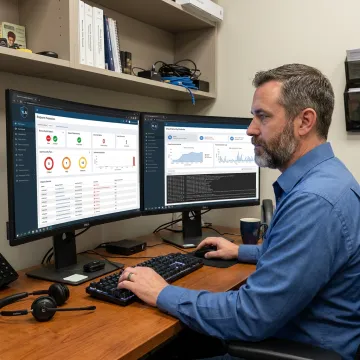
A security service provider is a company that helps protect your business from cyber threats through ongoing monitoring, threat prevention, and incident response support. In a managed IT security model, that often includes endpoint protection, network monitoring, cloud security, user access controls, and guidance on compliance. The goal is to reduce risk, prevent downtime, and strengthen your overall security posture.
What do managed IT security services typically include?
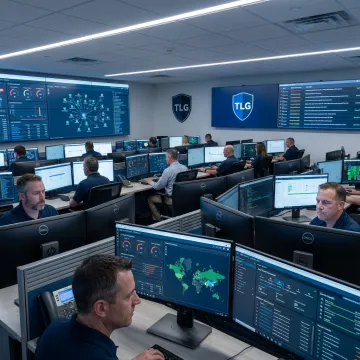
Managed IT security services usually include 24/7 monitoring, endpoint protection, threat detection, patch management, access control support, and security planning. Many providers also help secure cloud platforms, email systems, servers, and mobile devices. The Local Guy combines proactive monitoring with practical support so businesses can address threats early and maintain safer day-to-day operations.
Do I need managed cybersecurity if I already have antivirus software?
Yes. Antivirus is only one layer of protection and does not replace active monitoring, policy management, patching, or broader threat defense. Managed cybersecurity adds oversight across devices, networks, cloud tools, and user activity to help identify suspicious behavior before it becomes a larger issue. It also supports response planning, compliance efforts, and stronger protection against ransomware and phishing.
Can managed IT security help protect remote and hybrid teams?
Managed IT security is especially valuable for remote and hybrid teams because it helps secure laptops, phones, cloud apps, and user access from multiple locations. Services often include endpoint protection, Microsoft 365 security support, monitoring, and policy controls that reduce risk outside the office. This helps employees stay productive while keeping business data better protected wherever work happens.
How does 24/7 monitoring benefit my business?
24/7 monitoring helps identify unusual activity, performance issues, and security threats as soon as they appear instead of waiting until business hours. That faster visibility can reduce downtime, limit damage, and improve response times during ransomware attempts, unauthorized access events, or system failures. For businesses that rely on constant uptime, continuous monitoring adds an important layer of operational protection.
Can these services support compliance requirements?
Yes, managed IT security services can support compliance by improving system oversight, access controls, documentation, and security planning. While exact requirements vary by industry, providers can help align your environment with stronger security practices and identify gaps that need attention. The Local Guy also brings specialized experience in dental IT compliance, which is valuable for practices handling sensitive patient and business data.
How quickly can managed IT security services be put in place?
Implementation timelines depend on the size of your environment, number of devices, and whether cloud migrations or policy updates are involved. In many cases, core protections such as monitoring, endpoint security, and account safeguards can begin relatively quickly after assessment and onboarding. More complex environments may take longer to fully document, secure, and optimize for ongoing management.
What types of businesses benefit most from managed IT security?
Small and mid-sized businesses often benefit the most because they need strong protection without the overhead of a full internal security team. Managed IT security is also valuable for dental practices, startups, and growing companies that rely on cloud tools, remote access, and uninterrupted operations. It helps them improve resilience, reduce risk, and maintain focus on serving customers.