What do IT security services companies do?
IT security services companies help businesses protect networks, devices, user accounts, cloud platforms, and sensitive data from threats such as ransomware, phishing, malware, and unauthorized access. Services often include 24/7 monitoring, endpoint protection, risk reduction planning, secure cloud support, and ongoing maintenance. The goal is to prevent disruptions, strengthen compliance, and keep operations running safely.
How do I know if my business needs managed IT security?
If your business relies on email, cloud apps, shared files, remote access, or connected devices, managed IT security is important. Warning signs include recurring downtime, outdated systems, weak password practices, limited internal IT resources, or concerns about ransomware and phishing. Managed security adds continuous oversight, faster issue detection, and structured protection without requiring a full in-house security team.
What is included in cybersecurity monitoring?
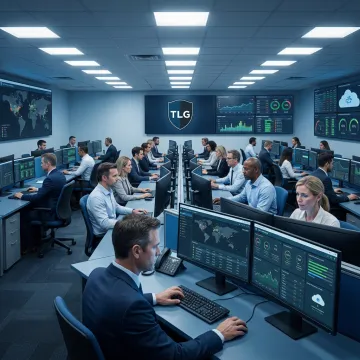
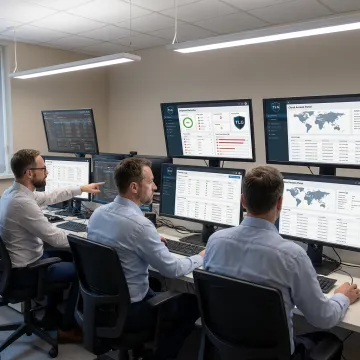
Cybersecurity monitoring typically includes continuous observation of networks, endpoints, servers, and user activity for suspicious behavior or known threats. It may involve alert review, malware detection, unauthorized access monitoring, patch oversight, and response coordination. With 24/7 monitoring, businesses can identify issues earlier, contain threats faster, and reduce the chance of extended downtime or data exposure.
Can IT security services help protect remote employees?
Yes. IT security services can secure remote work by protecting laptops, phones, user accounts, cloud applications, and access points employees use outside the office. This often includes endpoint protection, secure Microsoft 365 configuration, access controls, monitoring, and update management. These measures help remote teams stay productive while reducing the risk of compromised devices or unauthorized access.
How often should a business review its IT security setup?
Most businesses should review their IT security setup at least annually, and more often after major changes such as cloud migrations, staffing changes, office moves, or compliance updates. Regular reviews help identify outdated protections, access risks, unsupported devices, and policy gaps. Ongoing monitoring paired with periodic strategic assessments creates stronger long-term protection than one-time fixes alone.
Are IT security services only for large companies?
No. Small and mid-sized businesses are frequent targets because they often have fewer internal resources and less formal protection in place. IT security services help smaller organizations build practical defenses without hiring a full internal team. Managed monitoring, endpoint protection, secure cloud support, and consulting can be scaled to fit business size, risk level, and operational needs.
Can IT security services support compliance requirements?
Yes. IT security services can help businesses strengthen the controls and documentation needed for industry compliance efforts. This may include secure access management, device protection, monitoring, data safeguards, and infrastructure planning. For organizations in regulated environments, such as dental practices, experienced IT providers can align security measures with operational requirements and reduce compliance-related risk.
What should I look for when choosing an IT security provider?
Look for experience, 24/7 monitoring capabilities, clear communication, and services that match your business environment. A strong provider should offer proactive support, endpoint and cloud protection, strategic guidance, and a practical plan for reducing downtime. It also helps to choose a partner with experience serving businesses like yours and supporting long-term growth, not just emergency fixes.